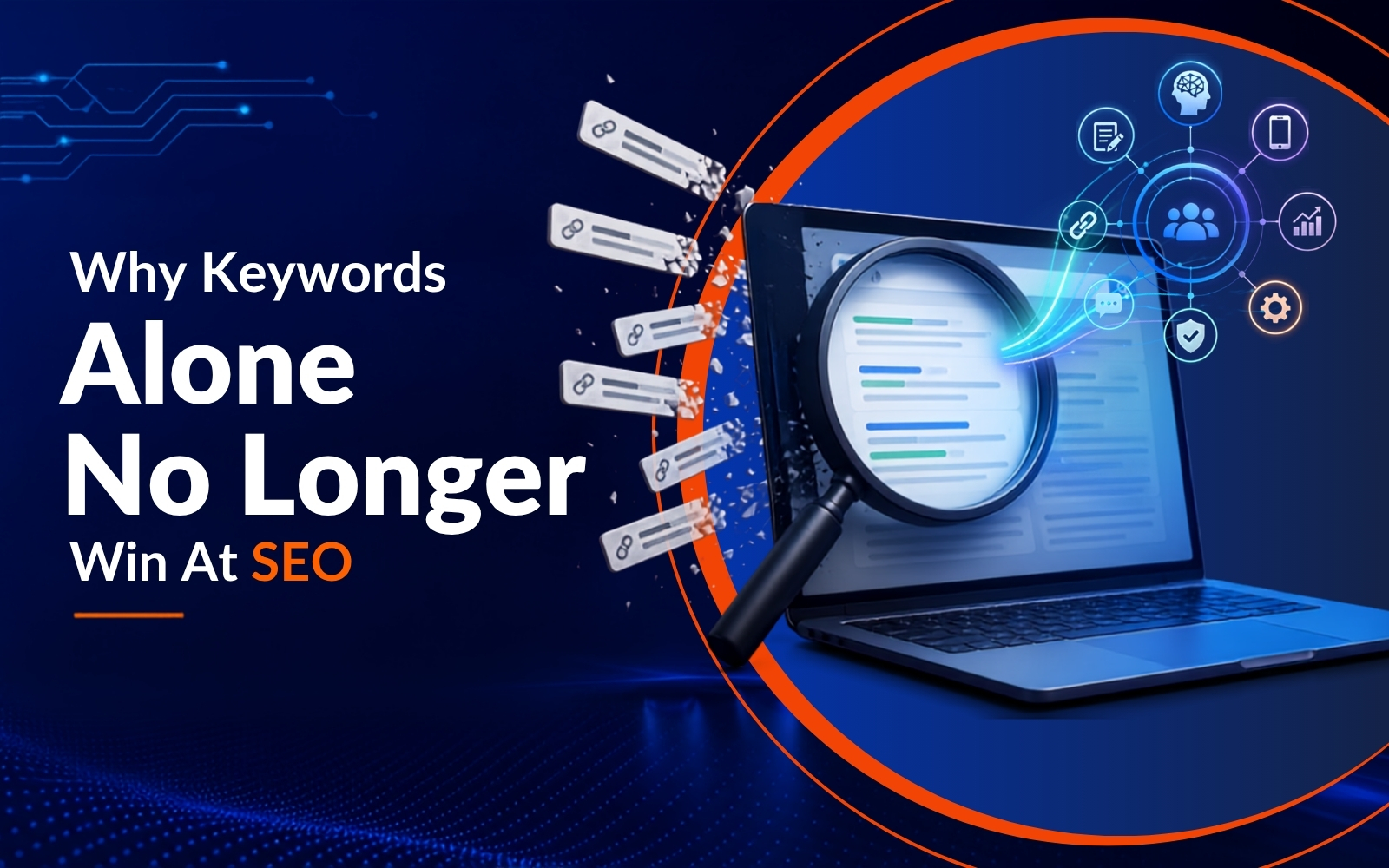
Gaining organic search traffic and ranking for competitive keywords was way easy in the early stages of the search engine launch. Businesses could create simple yet professional websites, upload keyword-centric content consistently, and start seeing results.
However, the scenario has changed drastically over recent years. You can no longer follow these obsolete techniques and expect to attract qualified organic traffic.
Search engines like Google have released numerous algorithmic updates to improve the search experience and reward highly relevant websites for appropriate search queries.
Did you know? Google launched 4,725 changes to its search engine in 2022.
Every update can potentially damage millions of websites, tanking a major portion of their traffic and rankings. For example, the recent March 2024 update sent shockwaves across the SEO world because its impact was felt on websites in all niches.
If you’re a website owner, you must be prepared for upcoming Google updates because they will keep rolling to further enhance the search experience for all users.
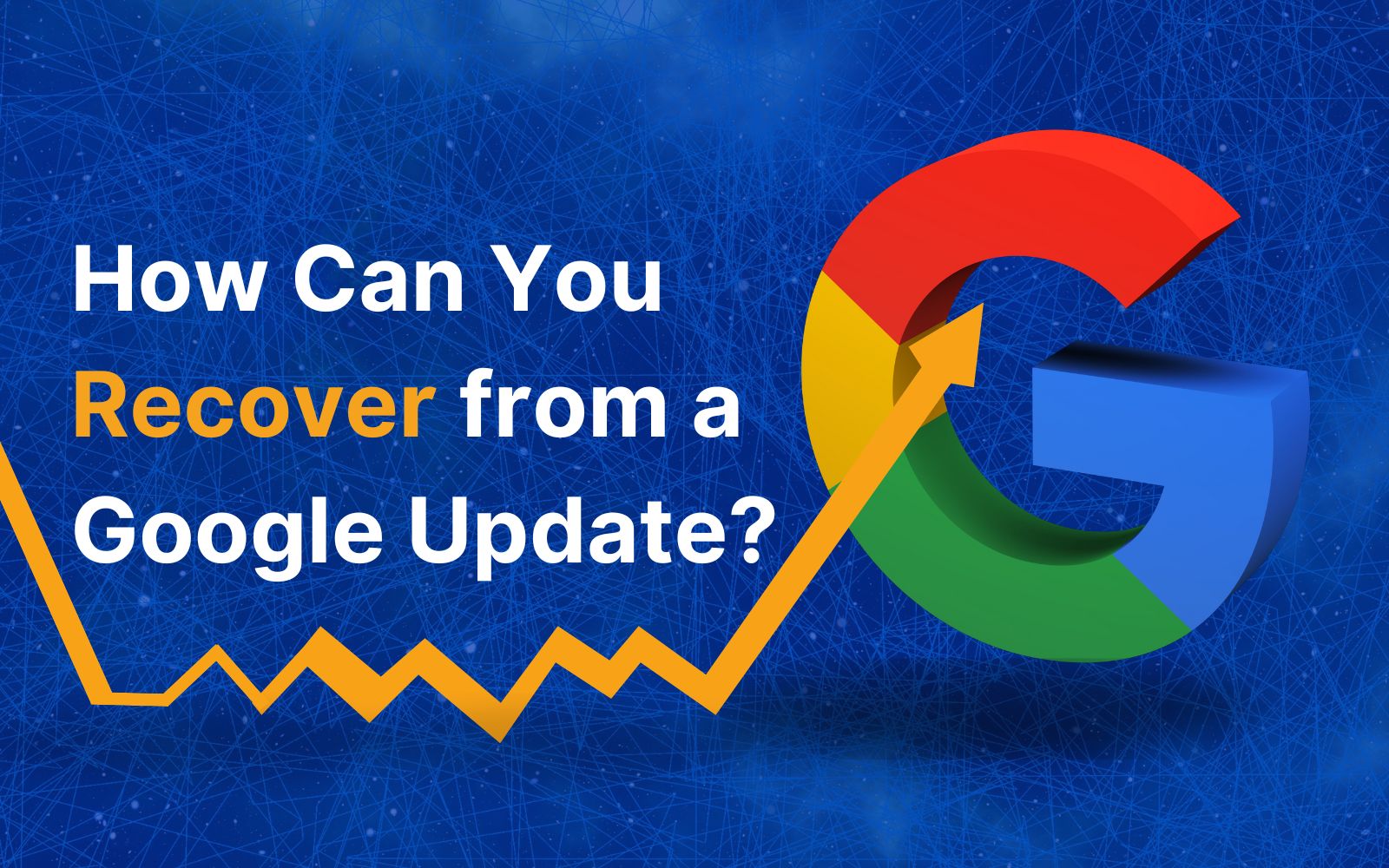
The only way to navigate such updates is by keeping oneself updated on the algorithmic changes and taking necessary steps to recover the lost rankings and traffic.
Effective Strategies to Recover and Restore Rankings After a Google Update
To make things easier, this guide lists evergreen action steps that can be followed after every Google update to reverse all damages. So, let’s explore the actionable steps shared below to witness massive improvements.
● Assessing the Impact
Whenever a Google update is rolled, start by assessing its impact on your website. Begin by evaluating your Google Search Console for primary analysis, then move towards comprehensive performance reports, sudden traffic drops, etc.
Look for patterns for better understanding. For example, you can check your Google Analytics to analyze the update’s impact on traffic patterns, bounce rate, conversion rate, and other crucial factors that directly influence your visibility, traffic, and revenue.
Once all the data is gathered, compare the pre and post-update numbers to arrive at data-backed conclusions. Being aware of the precise impact on your website will enable you to design result-driven strategies aimed at recovering lost traffic and rankings.
● Understanding the New Ranking Factors
After evaluating the extent of damage on your website, focus on acquainting yourself with the changes released in recent Google updates.
Previously, Google placed special emphasis on E-A-T as a crucial ranking factor, and it ranked websites based on their expertise, authority, and trustworthiness. The recent updates have added an extra ‘E’ in this factor that stands for experience.
So, Google will now prioritize websites with content written by those with first-hand experience in the said field.
There are numerous such ranking factors that are routinely tweaked, removed, or added to improve users’ search experience. Awareness of the new updates will help you design a result-driven SEO strategy optimized for improvement and recovery.
● Evergreen Steps to Recover from Google Updates
Every website owner must follow the foundational recovery steps of assessing the damage caused by updates and learning about the new ranking factors. Once done, you can follow a systematic approach to recovery.
Begin by preparing a comprehensive website audit report to identify potential issues at all levels, like content quality, technical SEO elements, user experience factors, etc.
There are numerous sophisticated tools that can uncover hidden technical issues, content quality challenges, and relevance factors that may be hampering your rankings. Use them to identify the gaps and create a new SEO plan to tackle the identified issues.
This approach aims to fine-tune your website content, on-page and off-page SEO elements, UX factors, etc., to make it outrank your competitors, so act accordingly.
● Specific Recovery Strategies
If your website content pages have stopped getting decent traffic, consider tweaking existing content pieces by adding more case studies, industry-specific research reports, thought leadership content, etc., that position you as the subject matter expert. If your website falls in the YMYL niche, consider getting the written pieces approved by subject matter experts.
You can then proceed to structured data implementation to boost the website’s search visibility. Add schema markup to all content pages, prioritizing the most relevant schema types for optimal results.
Another great recovery tip is to examine your website for spam or low-quality links and remove the ones causing damage to your website’s reputation. Such collective changes will bring noticeable improvements over a period.
● Adapting to Search Intent Changes
Search intent is dynamic and hugely influenced by emerging technologies, trends, and global events, so SEO professionals must keep an eye on the changes in search intent by monitoring the SERP results for relevant keywords.
One of the easiest ways to identify search intent changes post-update launch is by acting as a user and checking what websites now rank for the same keywords.
You can inspect the top ten results and identify factors contributing to their success after the Google update. If you notice common elements in top SERPs, incorporate them into your website. If you noticed Google is prioritizing embedded videos, infographics, lists, reports, etc., for certain keywords instead of text-based content, create more of those content types to recover the lost rankings.
Staying Ahead of the Algorithmic Changes
Getting hit by Google updates and losing all rankings is a website owner’s biggest nightmare. It can flush out all the progress you’ve made over the years almost instantly. While there is no guaranteed way to prevent your website from being affected by Google updates, there’s always a way to recover the progress lost to such changes.
You can implement all the timeless tips featured in this article to restore lost rankings and stabilize website traffic and visibility after every update.
If you don’t have a robust SEO in-house team to tackle such drastic changes, hiring experienced SEO professionals is recommended for faster recovery. B3NET Inc.’s team of experts can help you navigate through these updates, providing customized strategies to restore and enhance your website’s rankings and traffic. Request for a free proposal or give us a call to get started.