

Partners

Copyright © 1999-2026, B3net inc.
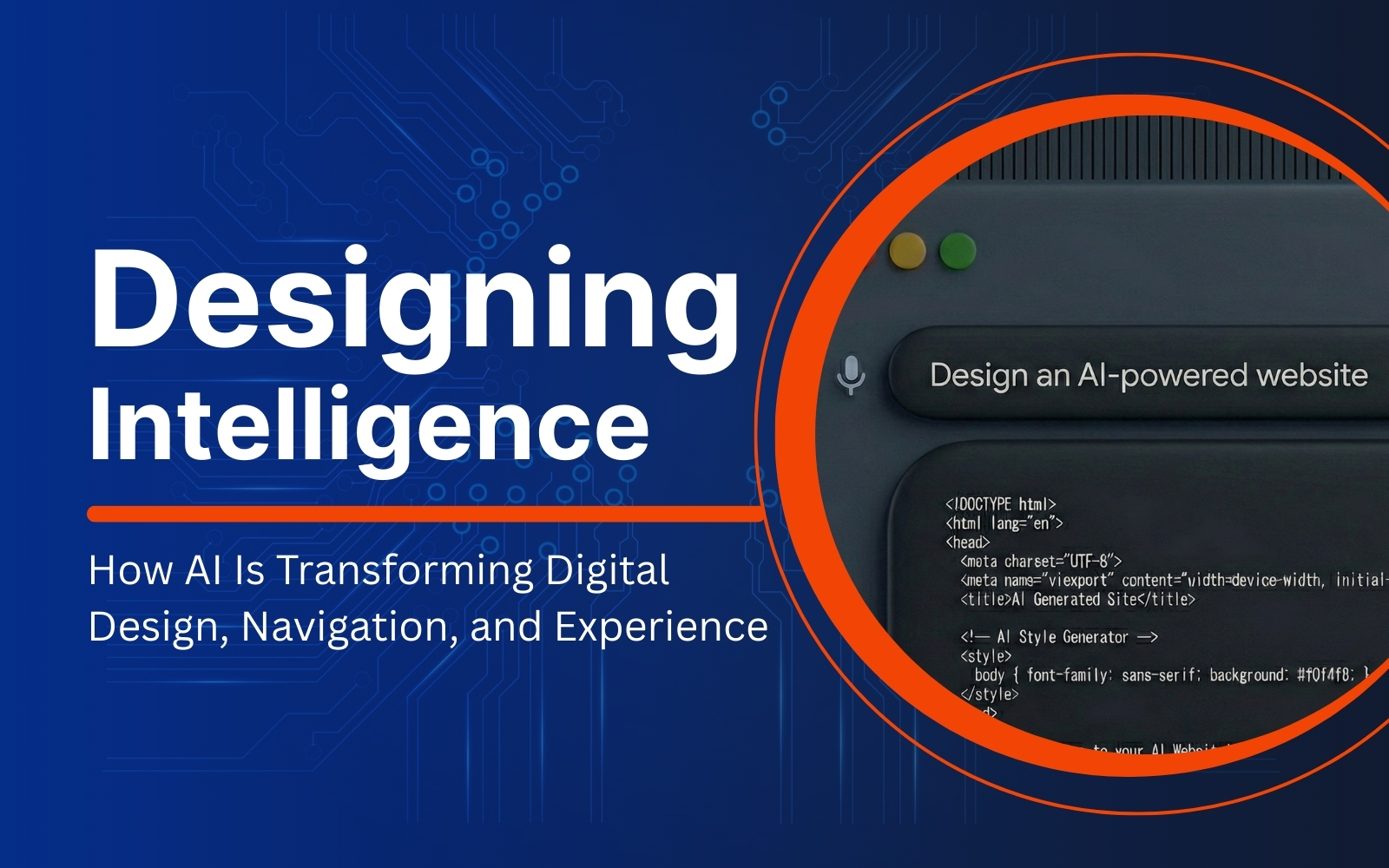
In the early days of the internet, website design was little more than digital décor. Designers obsessed over colors, fonts, and where to place the navigation bar. Then came usability, the rise of user experience (UX), and mobile-first thinking — all crucial, but still fundamentally static. A designer or developer made a decision, and the website lived with that decision until the next redesign.
But we’ve now entered a new phase. Artificial Intelligence (AI) is beginning to reshape design in a way that feels almost alive. Websites are no longer just digital brochures or static experiences. Instead, they are evolving into adaptive systems that learn, predict, and respond to users in real time.
The internet today demands more than beauty and efficiency — it demands intelligence. And AI is the tool that’s making this shift possible.
Traditional web design has always been rooted in visual craft: typography, color palettes, white space, and hierarchy. These are still vital. But in the AI era, design gets a new layer of DNA: adaptability, intuition, and personalization.
Instead of asking “what looks good?” designers now also ask:
Data becomes the raw material of design. Click paths, scroll behavior, purchase patterns, and even pauses in navigation can be translated into design insights. The result is something we could call design intelligence — the fusion of human creativity with machine adaptability.
This doesn’t mean machines replace designers. It means design is no longer frozen in time. It adapts with every interaction.
Personalization isn’t new — but until recently, it was rudimentary. A “Welcome back, Ashish!” message, maybe a product recommendation. AI changes the scale and depth of personalization entirely.
Now, websites can reshape themselves dynamically depending on who’s visiting.
This isn’t just convenience. It reduces friction, speeds decision-making, and creates a feeling of “this site gets me.” That sense of alignment is gold for engagement and loyalty.
Menus have been the backbone of digital navigation for decades. But menus are fixed, and users are fluid. AI helps bridge the gap.
With predictive design, navigation becomes contextual.
Imagine:
Conversational AI adds another dimension. Instead of clicking through multiple layers of menus, users can ask: “Show me all flights under $500 leaving next weekend.” The system interprets, filters, and presents results instantly.
This is navigation that feels like dialogue — fluid, natural, and intuitive.
It’s a shift in philosophy: designing for flow, not just clicks.
So where do human designers fit in this AI-driven ecosystem? Right at the heart.
Humans bring aesthetics, emotion, and brand storytelling. Machines bring optimization, prediction, and personalization. Together, they form a creative symbiosis.
Designers aren’t just pixel arrangers anymore. They become AI conductors — orchestrating how machine intelligence adapts layouts, colors, content, and navigation without losing the human soul of the brand.
Already, we’re seeing AI tools that:
Agencies may soon have new job titles: AI Experience Designers, Journey Architects, Adaptive UX Specialists.
These roles don’t just “make things pretty.”
They make experiences think, feel, and resonate.
This isn’t sci-fi. It’s happening now.
Each of these examples proves a larger truth: the most successful digital platforms are already blending AI into design.
One of the more subtle but powerful ways AI reshapes design is by analyzing how users hover, pause, or circle elements on a page.
A cursor that lingers over a button but never clicks, or a user who hovers over a product image while scrolling past others, tells us more than traditional click-tracking ever could.
AI turns these micro-behaviors into heatmaps with predictive intelligence.
This goes beyond optimizing conversion funnels. Intelligent hovering allows experiences to feel anticipatory and fluid. The design begins to “read the room” of user intent, making interfaces less like rigid grids and more like living, adaptive canvases.
When paired with real-time personalization, hovering data becomes part of an invisible feedback loop: design is no longer something users move through—it’s something that moves with them.
If there’s one reality of the internet age we can’t ignore, it’s this: the majority of user journeys start on mobile. Whether it’s browsing a product on a smartphone, saving it on a tablet, or completing the purchase on a desktop, the experience has to feel seamless.
AI supercharges mobile-first design by ensuring that navigation, personalization, and visual layouts aren’t simply shrunk versions of desktop sites. Instead, they are intelligently adapted to the unique needs of each device.
This is where ecosystem thinking comes in. Design isn’t just about making websites or apps — it’s about creating continuity across touchpoints. From smartwatch notifications to AR interfaces, AI ensures every device feels like part of a single, intelligent ecosystem.
The goal is simple but profound: no matter where or how a user interacts with your brand, the experience feels familiar, personalized, and effortless. That’s the essence of a truly seamless digital journey.
But intelligence comes with responsibility.
Ethics and empathy need to sit at the core of design intelligence.
We’re only scratching the surface. The next frontier includes:
In short: we’re heading toward an internet where design doesn’t just serve users — it senses them.
How can an agency or business step into this world without being overwhelmed? A roadmap helps:
This approach makes AI integration manageable — and more importantly, measurable.
The internet has moved from static brochures to living, breathing systems. AI is not just the next tool in a designer’s kit — it’s the foundation for a new era of digital experiences.
Tomorrow’s most successful agencies and businesses won’t just design websites.
They’ll design intelligence.
Experiences that anticipate, adapt, and empathize.
The future of design is human creativity guided by machine intelligence. Together, they will shape not just how websites look, but how the internet feels.
And in that shift, the digital world stops being a collection of pretty pages — and becomes a place of intelligent journeys.
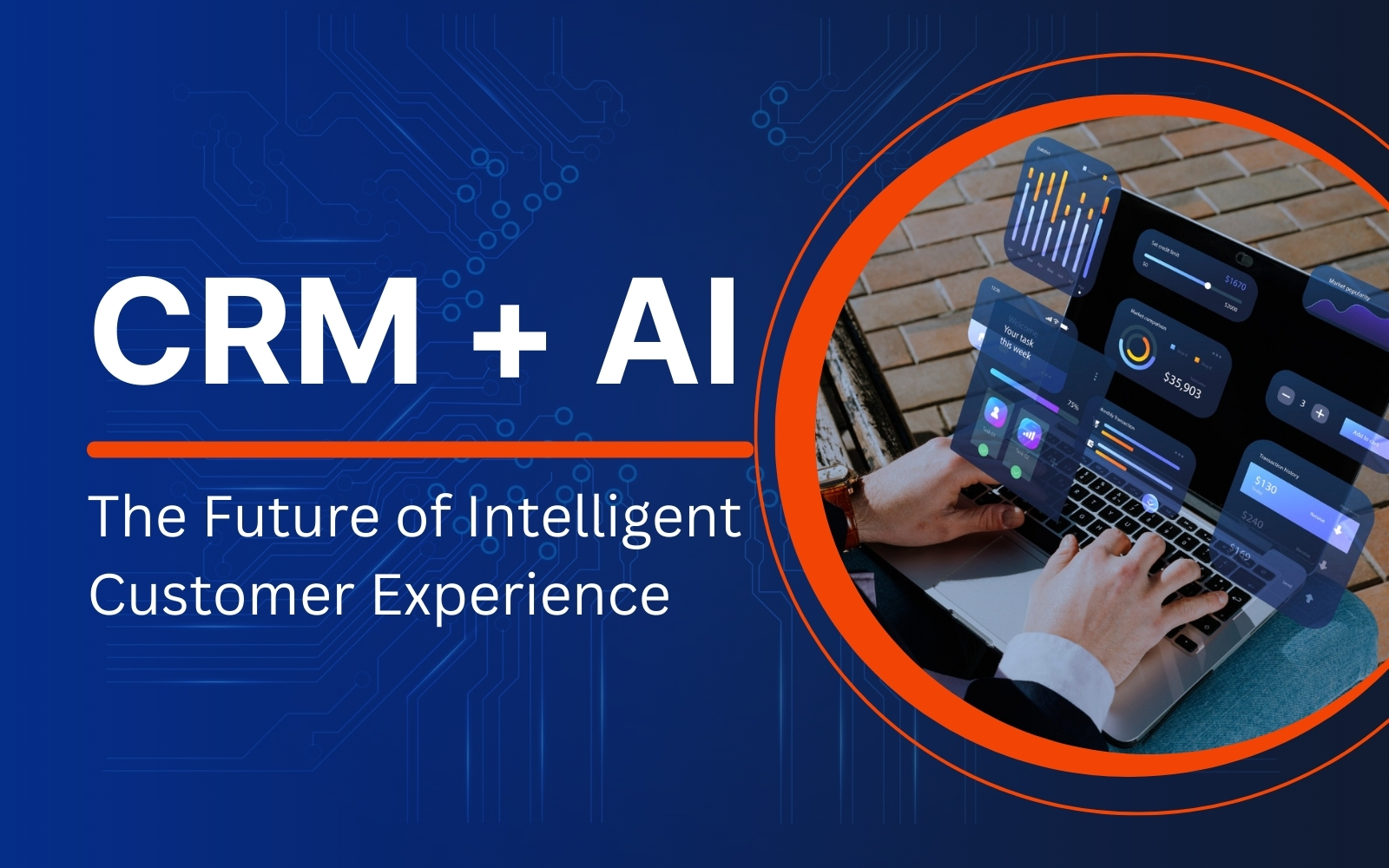
A New Era of Customer Relationships Customer Relationship Management (CRM) has always been about one thing—building and nurturing meaningful relationships […]

View this. It’s late at night, the lights are dim, you pick up your phone to open a website, and […]

A Shift We Can’t Ignore Every decade in marketing has its buzzword. In the 2000s, it was SEO. In the […]


Copyright © 1999-2026, B3net inc.